Beetroot: A Small Root with Big Benefits for Your Liver
Beetroot (commonly called beet) is a mildly sweet, nutrient-packed vegetable that supports liver function, improves circulation, boosts energy, and provides antioxidants. Learn how to include beet in your diet safely and effectively, along with practical tips and easy recipes.
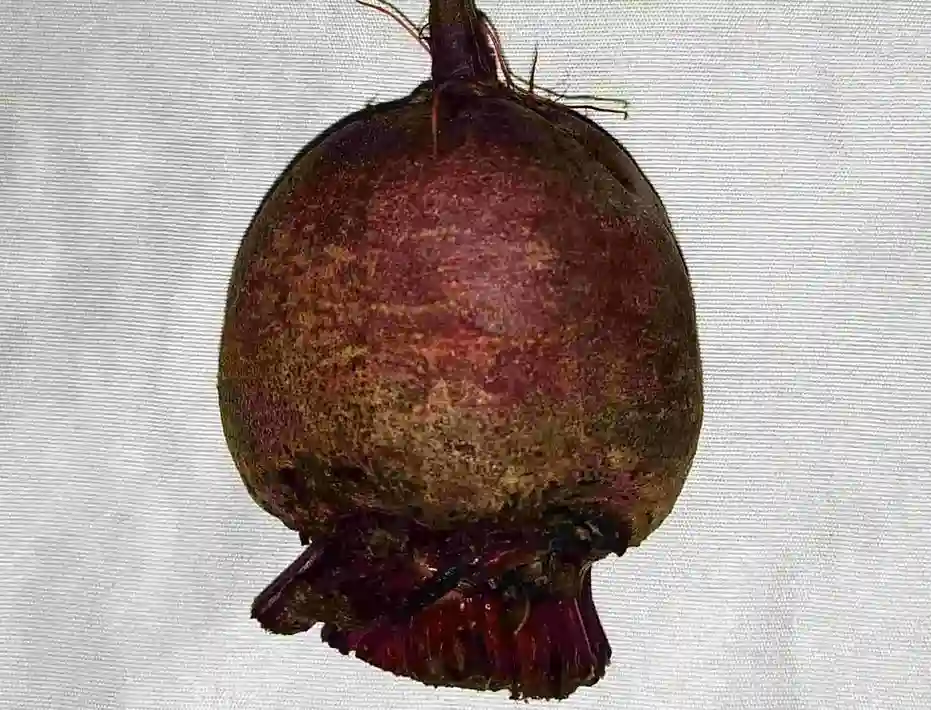
Why Beetroot is Good for the Liver
Beetroot contains betalains — natural pigments with potent antioxidant and anti-inflammatory properties. These compounds help the liver neutralize and remove toxins, stimulate the production of detoxifying enzymes, and reduce oxidative stress. Regular consumption of beetroot, whether raw, juiced, or cooked, supports healthy liver metabolism and helps maintain optimal liver function when combined with a balanced diet. Additionally, research suggests that beetroot can aid liver cell regeneration and reduce mild liver stress caused by unhealthy eating habits.
Key Nutrients in Beetroot
- Betalains: Potent antioxidants that reduce inflammation and support detoxification.
- Folate & Vitamin C: Help repair cells, support immunity, and improve skin health.
- Dietary Nitrates: Improve blood flow, enhance cardiovascular health, and lower blood pressure.
- Fiber: Aids digestion, supports healthy weight, and helps eliminate toxins.
- Potassium & Manganese: Regulate blood pressure and support metabolic and enzymatic processes.
Health Benefits of Regular Beetroot Consumption
Including beetroot in your diet offers numerous advantages beyond liver support:
- Boosts athletic performance by improving oxygen delivery to muscles.
- Supports heart health by reducing blood pressure and lowering inflammation.
- Improves skin tone and complexion due to antioxidant properties.
- Supports cognitive function by enhancing blood flow to the brain.
- Helps maintain a healthy weight with low-calorie, nutrient-dense content.
- Provides essential minerals and vitamins for overall wellbeing.
Simple Ways to Add Beetroot to Your Diet
Beet has a strong flavor, so start with small portions. Try these practical ideas:
- Fresh Beetroot Juice: Blend raw beet with apple, carrot, and lemon for a liver-friendly, nutrient-rich drink.
- Roasted Beets: Slice and roast with olive oil, perfect for salads or side dishes.
- Beet Salad: Grate raw beets with carrot and lemon, sprinkle with seeds or nuts for added nutrients.
- Smoothies: Add small cooked beet pieces to morning smoothies for color and nutrients.
- Soups & Stews: Diced beets add flavor, color, and nutrition to vegetable soups.
- Pickled Beets: Tangy and healthy addition to sandwiches and salads.
Precautions and Who Should Be Careful
Beetroot is safe for most people, but keep these in mind:
- Oxalates: May contribute to kidney stones in susceptible individuals.
- Blood Pressure: Monitor if taking blood pressure medication, as nitrates can lower it.
- Beeturia: Pink or red urine after eating beets is harmless but can alarm some people.
- Moderation: Excessive intake may cause digestive discomfort. Start with small servings.
FAQ
Q: How often should I eat beetroot for liver benefits?
A: 2–3 small servings per week is a practical target. Daily small amounts, like grated beet in salads or smoothies, are also effective.
Q: Is beetroot juice better than cooked beets?
A: Juice offers concentrated nutrients but lacks fiber. Raw or cooked beets provide fiber, supporting gut health. Balance both for maximum benefits.
Q: Can children consume beetroot?
A: Yes, children can eat beetroot in small portions. Introduce gradually and avoid excessive sugar or salt in recipes.
Final Thoughts
Beetroot is an affordable, versatile vegetable with clear benefits for liver health, circulation, and overall wellness. It works best as part of a varied diet rich in vegetables, fruits, whole grains, and lean proteins. Including beetroot regularly can boost energy, improve blood flow, and provide essential nutrients. If you have health conditions or are on medication, consult your healthcare provider before making dietary changes. Enjoy beetroot in multiple forms—juice, roasted, raw, or cooked—to maximize its benefits and flavor in your meals.

Amazing Health Benefits of Papaya
Papaya, “fruit of angels,” improves digestion, boosts immunity, and enhances skin health.
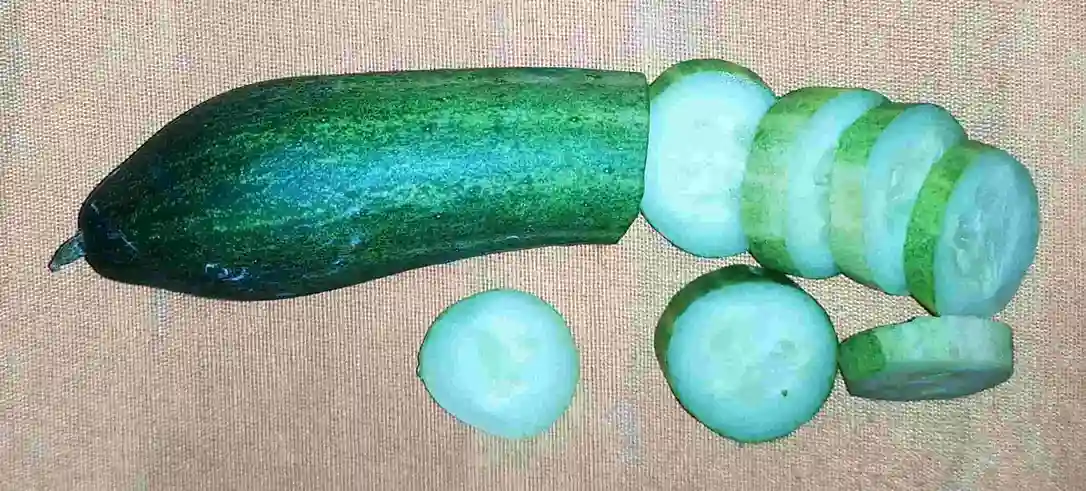
Top Health Benefits of Cucumber You Should Know
Cucumber keeps you hydrated, supports digestion, and helps with weight loss.

Amazing Health Benefits of Corn Flakes
Corn flakes are a healthy, tasty breakfast that provides energy and nutrition..

Why Carrot is the Superfood Your Body Needs
Carrot improves eye health, boosts immunity, and supports glowing skin.